






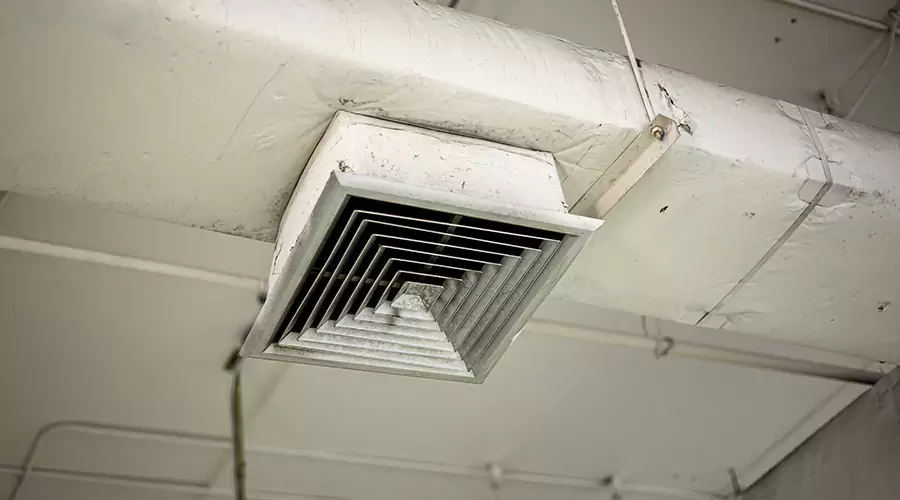
Dust coming out of air vents is a common problem many homeowners notice when the heating or cooling system turns on. You may see dust blowing into the room, dark marks around the vent cover, or furniture getting dusty shortly after cleaning. While a little household dust is normal, visible dust from vents can be a sign that something inside the HVAC or duct system needs attention.
Your air ducts move air throughout your home. If dust, debris, pet hair, construction particles, or buildup collects inside the ductwork, some of it may circulate through the vents. In other cases, the issue may be caused by dirty filters, leaky ducts, poor return airflow, or gaps that pull dust from attics, crawl spaces, or wall cavities.
Understanding why dust is coming out of your air vents can help you decide whether you need air duct cleaning, duct repair, filter replacement, HEPA filter installation or a full HVAC system inspection.
Is It Normal for Dust to Come From Air Vents?
A small amount of dust in a home is normal. Dust can come from skin cells, fabrics, pet dander, outdoor particles, pollen, carpet fibers, and everyday activity. However, dust should not visibly blow from your vents every time the HVAC system starts.
If you see a cloud of dust, heavy buildup around registers, or dust returning quickly after cleaning, the duct system may need inspection. The problem may be inside the ducts, around the vent covers, or somewhere in the HVAC airflow system.
Dirty Air Ducts Can Release Dust
One of the most obvious reasons dust comes out of vents is dirty ductwork. Over time, dust and debris can collect inside supply ducts, return ducts, and vent openings. When air moves through the system, loose particles may be pushed into your rooms.
Dirty air ducts may contain:
- Dust buildup
- Pet hair
- Pollen
- Carpet fibers
- Dirt particles
- Construction dust
- Debris from old filters
- Small particles from attic or crawl space air
If the inside of your vents looks dirty or dusty, air duct cleaning may help remove buildup and reduce the amount of dust being circulated.
Dirty or Clogged Air Filters
Your HVAC filter is designed to capture dust and particles before they move through the system. If the filter is dirty, clogged, damaged, or installed incorrectly, it may not catch particles properly.
A clogged filter can also restrict airflow. When airflow is restricted, dust may collect around vents, return grilles, and HVAC components. In some cases, air may bypass the filter if the filter does not fit tightly.
Filter problems may include:
- Filter is too old
- Filter is the wrong size
- Filter is installed backward
- Filter is low quality
- Filter slot has gaps
- Filter is clogged with dust or pet hair
Changing the filter regularly is one of the simplest ways to reduce dust problems.
Leaky Air Ducts Can Pull Dust Into the System
Dust may come from the vents because the ductwork is leaking. If ducts have cracks, gaps, loose connections, or disconnected sections, they can pull dusty air from attics, crawl spaces, basements, garages, or wall cavities.
This is a bigger issue than simple dust buildup because the duct system may be pulling unfiltered air into your living space. That air can carry dust, insulation particles, pest debris, and musty odors.
Signs of leaky ducts may include:
- Dust around vents
- Weak airflow in some rooms
- High energy bills
- Uneven heating or cooling
- Musty or attic like smells
- Rooms that never feel comfortable
If the ducts are leaking, cleaning alone may not solve the problem. Duct sealing or air duct repair may be needed.
Dust Around Return Vents
Return vents pull air from your home back into the HVAC system. If return vents are dusty, blocked, or located near dirty areas, they can pull more particles into the system.
Dust around return grilles can build up quickly if filters are dirty, pets shed heavily, or the home has a lot of carpet and fabric surfaces. A dirty return side can spread dust through the HVAC system and back into rooms.
Make sure return vents are not blocked by furniture, curtains, rugs, or storage items. Keeping returns clean helps support better airflow and filtration.
Recent Remodeling or Construction Dust
Home remodeling can create a large amount of fine dust. Drywall sanding, flooring installation, painting, cabinet work, tile cutting, insulation work, and demolition can send particles into the air. If vents were left open during the project, dust may have entered the ducts.
Construction dust is very fine and can settle inside ductwork, vent covers, and HVAC components. After remodeling, you may notice dust blowing from vents, filters getting dirty quickly, or surfaces becoming dusty soon after cleaning.
If your home recently had construction work, air duct cleaning may be helpful.
Pet Hair and Dander
Homes with pets often have more dust in the air. Pet hair and dander can collect around vents, return grilles, filters, and duct openings. If filters are not changed often enough, pet particles can move through the system and contribute to dust buildup.
This is more common in homes with multiple pets, heavy shedding breeds, or pets that sleep near vents and returns.
Helpful steps include:
- Change filters more often
- Vacuum around vents
- Clean pet bedding regularly
- Brush pets outdoors when possible
- Keep return grilles clean
- Schedule duct inspection if buildup is heavy
Pet related dust can often be reduced with better filtration and regular cleaning.
Poor HVAC Maintenance
If the HVAC system is not maintained, dust can build up inside the blower compartment, coils, filters, and duct connections. Once dust enters the system, it may circulate through the home.
Air duct cleaning may help, but the HVAC unit itself should also be checked. Cleaning ducts while ignoring a dirty blower or filter area may not fully solve the dust problem.
A professional inspection can determine whether the issue is inside the ducts, the HVAC unit, or both.
Pest Debris Inside Ductwork
In some cases, dust from vents may be mixed with pest debris. Rodents or insects can enter damaged ductwork, especially in attics, crawl spaces, or older duct systems. They may leave nesting materials, droppings, hair, or debris that can affect air quality and odors.
Warning signs include:
- Bad smells from vents
- Scratching sounds near ducts
- Droppings around vents
- Debris inside registers
- Pest activity in attic or crawl space
If pests are involved, the ducts may need cleaning, sanitizing, pest control, and repair.
What Should You Do If Dust Comes Out of Vents?
Start with simple checks. Replace the HVAC filter, clean vent covers, vacuum around registers, and make sure return vents are not blocked. Then look inside the visible duct opening for heavy dust or debris.
You should call a professional if:
- Dust visibly blows from vents
- Filters get dirty very quickly
- There is heavy buildup inside ducts
- Some rooms have weak airflow
- You smell musty or dusty odors
- You recently completed remodeling
- You suspect duct leaks or pest activity
A technician can inspect the ductwork, check airflow, look for leaks, and recommend cleaning or repair.
Final Thoughts
Dust coming out of air vents can be caused by dirty ducts, clogged filters, leaky ductwork, dusty return vents, remodeling dust, pet dander, poor HVAC maintenance, or pest debris. While some dust is normal, visible dust blowing from vents should not be ignored.
The best solution depends on the cause. Some homes may only need filter changes and vent cleaning. Others may need professional air duct cleaning, duct sealing, or air duct repair. If dust keeps coming back, schedule a professional inspection to find the source and improve the cleanliness of your indoor air system.